The Manufacturing Process of Synthetic Urine: Challenges, Innovation & Quality Assurance
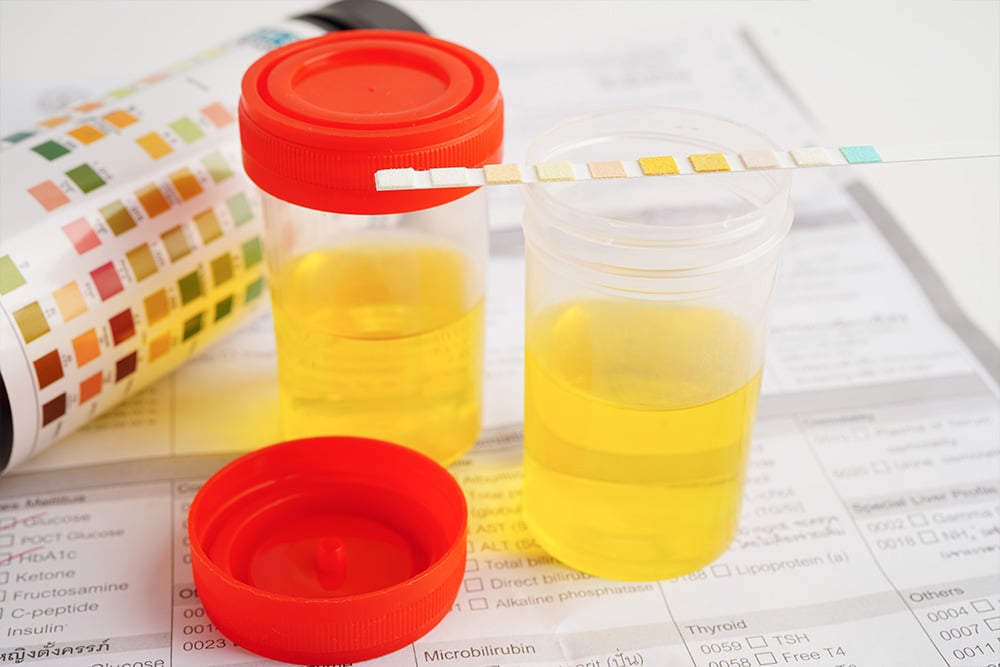
Synthetic urine is manufactured through controlled chemistry, precise formulation, and rigorous quality assurance to create a stable, repeatable reference fluid for laboratory calibration, training, and research. The process focuses on consistency, safety, and traceability rather than replicating full biological complexity.
Inside a lab, precision leaves little room for guesswork. The manufacturing process of synthetic urine reflects that reality. This fluid does not appear by accident or shortcut. It results from controlled chemistry, careful testing, and steady refinement to mimic human urine.
Researchers, trainers, and equipment technicians rely on consistency, not surprises. Synthetic urine exists to meet that demand. Understanding how it gets made reveals why accuracy matters, how innovation responds to detection advances, and why quality checks shape credibility.
At Quick Fix ®, we apply this same emphasis on controlled chemistry and quality assurance to develop lab-tested synthetic urine products for documented research, calibration, training, and product-testing use.
Why Synthetic Urine Requires Precision by Design
Natural urine changes often. Hydration, diet, stress, and health shift its chemistry per person. That variation complicates lab work that depends on repeatable outcomes.
Synthetic urine begins with a different goal. It aims to reflect known physical and chemical traits without biological drifts. Manufacturers focus on predictability. When labs run calibration checks or training exercises, the sample must act the same way each time.
This mindset frames the entire production cycle. Every step links back to stability, traceability, and confidence in results all thanks to having a consistent baseline set for the control group.
Building the Base Solution
Most formulations start with purified water. This purified base removes background contaminants that could skew measurements later.
From there, technicians add primary solutes that mirror metabolic byproducts. Urea, creatinine, and uric acid enter the mix under controlled conditions. Temperature control matters at this stage. Solubility shifts when heat varies, which affects consistency across batches.
Mixing tanks often include monitoring tools that track conductivity and density. These readings guide adjustments before the solution moves forward.
Balancing Minerals and Ionic Content
Human urine contains a complex mix of salts and ions. Manufacturers carefully add compounds to reach a target specific gravity and conductivity.
Key factors controlled at this stage include:
- Sodium and potassium levels
- Phosphate and sulfate balance
- Density and electrical behavior
Small deviations matter. Too much salt shifts density. Too little affects conductivity. Each addition follows a verified formula, tested against known benchmarks.
pH Control and Buffer Systems
Urine pH spans a wide but defined range. Synthetic urine must stay within that window to act as a reliable reference.
Buffering agents help stabilize pH during storage and use. Without them, exposure to air or temperature shifts could alter acidity. Manufacturers test pH at multiple points, not just at final packaging.
This step supports consistency across shelf life, not just on day one.
Quick Fix® Synthetic Urine happened to have their biocide patented making it the longest lasting shelf-life compared to other competitor fake urine. Now, with the patents expired, they continue to use their proprietary formula.
Visual and Olfactory Cues
Appearance plays a role in realism. Color can come from safe dyes or natural sources that mimic the yellow tone associated with urine.
Scent also matters in some applications. Compounds linked to urea contribute to a familiar odor profile. These additions remain subtle and controlled.
The goal stays functional realism, not theatrics. Visual and sensory cues support training and evaluation scenarios where context matters.
Stabilization and Shelf Life
Stability presents one of the largest challenges in the manufacturing process of synthetic urine. Some compounds degrade with heat. Others precipitate if mixed incorrectly.
Manufacturers address this through preservatives and controlled storage conditions. Non-toxic biocides limit microbial growth without altering chemical behavior.
Shelf-life testing follows real-world scenarios. Products face temperature swings, light exposure, and time. Stability checks confirm that chemistry stays within acceptable ranges throughout that period.
Packaging Choices and Format Options
Packaging affects performance.
- Liquid formats, often paired with temperature-control accessories.
- Powdered formats, which extend shelf life and reduce shipping weight but are not as user friendly.
Each format requires its own validation. Powder mixes must dissolve fully and evenly. Liquids must resist separation or sediment. This is why selecting a premium synthetic urine brand is crucial.
Packaging materials also face scrutiny. Containers must not leach compounds into the solution or react with contents over time.
Why Replicating Biology Remains Difficult
Human urine contains thousands of metabolites, proteins, and trace compounds holding DNA. Replicating that complexity remains impractical and unnecessary for most applications.
Synthetic urine focuses on key markers that influence testing and calibration. That focus keeps production feasible while supporting lab needs.
Advanced detection methods look beyond basic markers, which raises the bar for realism. This dynamic drives innovation across formulation and analysis.
Responding to Modern Detection Techniques
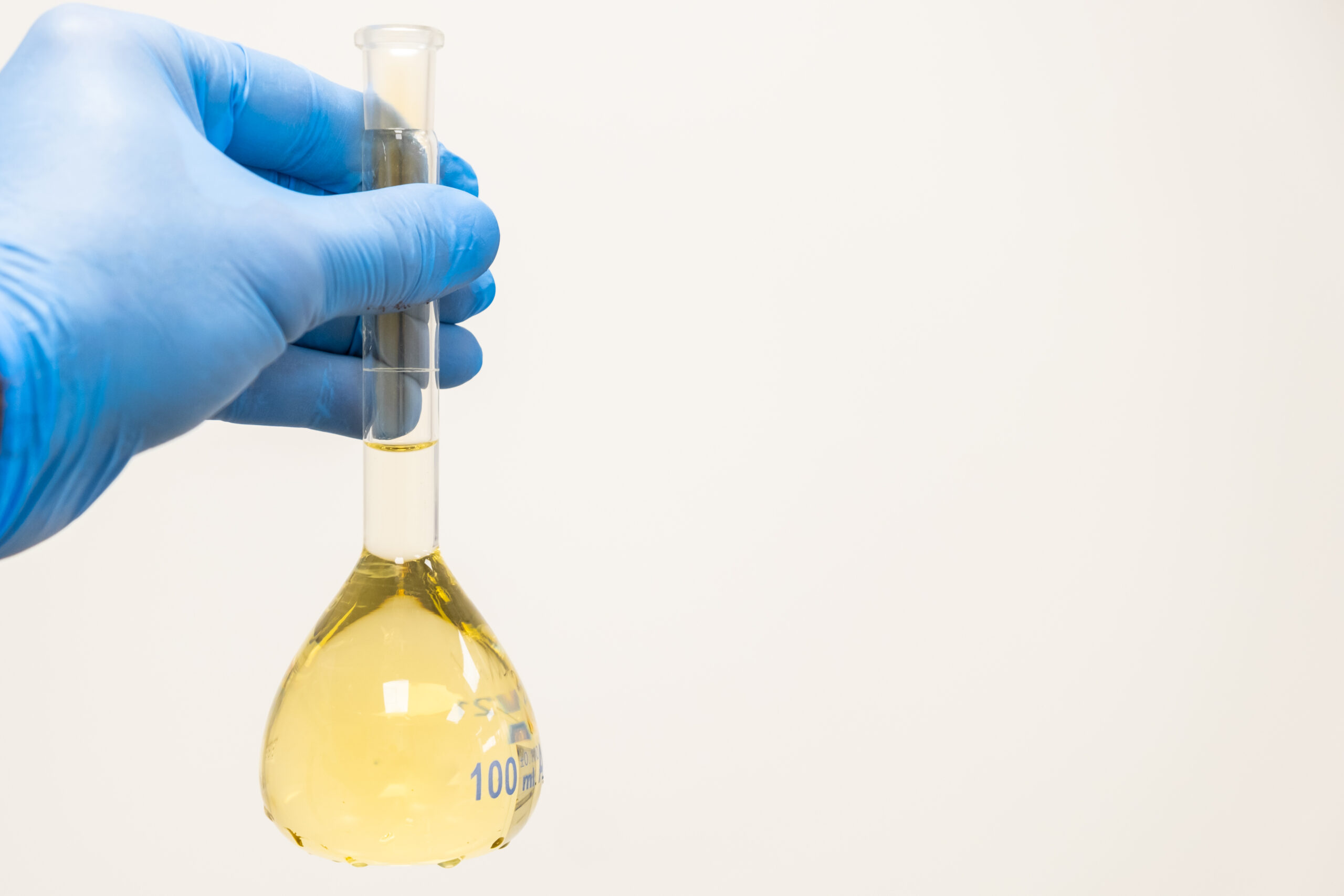
Analytical tools continue to advance. Mass spectrometry, automated microscopy, and pattern analysis detect subtle differences between biological and artificial samples.
Manufacturers respond through research and refinement. Some explore expanded trace profiles. Others focus on matrix behavior under specific testing conditions.
This process reflects adaptation, not evasion. Legitimate applications depend on compatibility with modern equipment, not avoidance of oversight.
Quality Assurance as a Core Discipline
Quality assurance shapes every stage of production. Routine checks include:
- pH Balance
- Specific gravity
- Creatinine levels
- Osmolality
- Sterility testing
- Viscosity
Quality Control Overview
| QA Focus Area | Purpose |
| Batch testing | Confirms chemical consistency |
| Sterile checks | Reduces contamination risk |
| Compatibility testing | Verifies analyzer performance |
| Documentation | Maintains traceability |
Trustworthy urine manufacturers may keep records that trace each batch from raw materials through final packaging, supporting accountability.
Standardization Across the Field
Researchers have proposed standardized artificial urine formulas based on large data sets of real samples. These efforts aim to improve comparability across studies.
Standardization reduces variability between labs. When teams use similar reference materials, results align more closely and without additional variables.
This trend supports collaboration and data sharing. Synthetic urine acts as a common language across research environments.
Innovation Beyond One-Size-Fits-All
Not all synthetic urine serves the same purpose. Customizable “urine phantoms” address specific research needs.
Some phantoms mimic optical properties for sensor testing. Others focus on foam behavior or flow dynamics. These tailored solutions support narrow research questions without unnecessary complexity.
Innovation in this area reflects problem-solving rather than mass production.
Legal and Ethical Boundaries Shape Manufacturing
Misuse concerns influence how synthetic urine gets discussed and distributed. Laws in several regions restrict the sale or possession tied to intent to defraud tests.
Manufacturers navigate this landscape through careful language, labeling, and distribution practices. Education plays a large role. Awareness helps separate legitimate laboratory use from prohibited actions.
Understanding rights and responsibilities matters as much as chemistry.
Accuracy, Confidence, and Informed Use
Synthetic urine supports accuracy when used within defined boundaries. Confidence grows from understanding how products work and why rules exist.
Related topics such as urine additives show how individual compounds influence analytical behavior in controlled settings.
Explore Quality and Confidence with Quick Fix
At Quick Fix®, we provide lab-tested synthetic urine products built for documented scientific, calibration, training, and research use, crafted with a stable formula that replicates key urine characteristics like pH, specific gravity, and creatinine with high precision.
Quick Fix® products come with everything you need right out of the pouch, including temperature strips and accessories for consistent preparation.
We ship the freshest batches in discreet packaging with fast delivery and offer tools like a Batch Validator to help you confirm authenticity. Whether for lab workflows or controlled evaluation needs, Quick Fix® supports reliable outcomes with trusted performance. Shop our synthetic urine products now.
Best selling products
-

Quick Fix Plus Synthetic Urine 3 Ounce
$44.95 -
Quick Fix Plus Bundle: Buy 2 Get 1 Free 3 Ounce
Original price was: $135.00.$90.00Current price is: $90.00. -
Quick Fix Pro Belt Kit 4 Ounce
$59.95 -
Quick Fix Max Synthetic Urine 4 Ounce
$49.95 -
Quick Fix Plus Easy Bundle 3 Ounce
Original price was: $110.00.$90.00Current price is: $90.00.