Synthetic Urine vs Natural Urine: Use Cases, Accuracy, and Best Practices
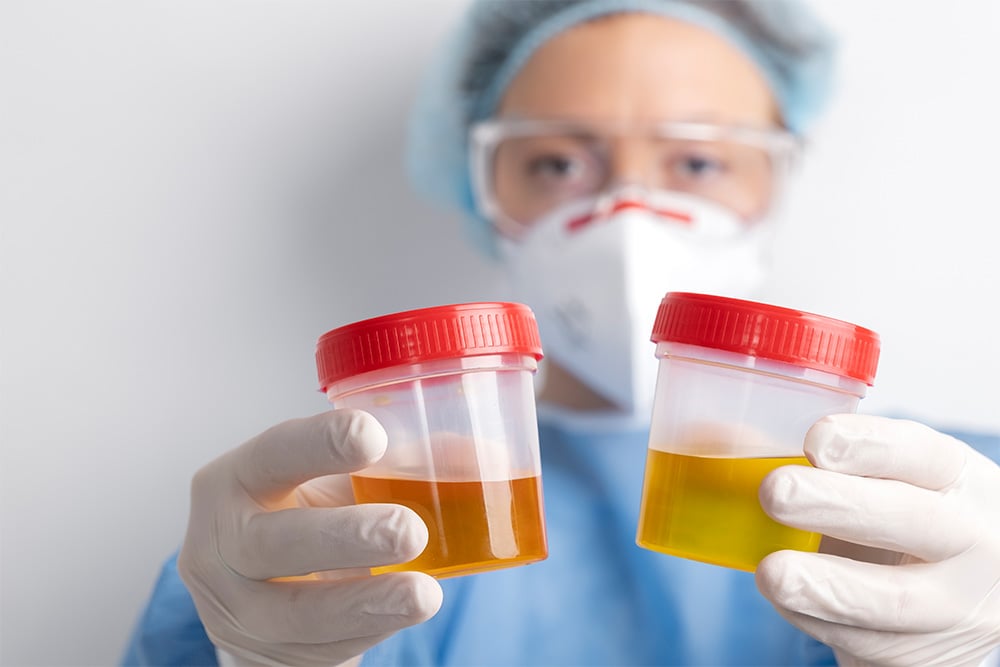
Synthetic urine and natural urine serve different purposes. Synthetic urine is used in lab experiments, training, and product testing where consistency and repeatability matter. Natural urine is required in clinical diagnostics and regulated drug testing where biological authenticity and legal validity are essential. Accuracy depends on context, not substitution.
When it comes to fetish use (water sports), synthetic urine vs. natural urine is not a debate about which option wins overall. It is a question of purpose and preference. Using real urine may be riskier since bacteria can form, may stain depending on the individual’s diet, and can vary in smell. Synthetic urine is safe and made for consensual settings so that adult play can remain sanitary.
For calibrating equipment, machines, or tools, labs value consistency. At Quick Fix, we develop lab-standard synthetic urine products designed to support controlled research, calibration, and training environments.
Two Fluids, Two Purposes
Natural urine reflects the human body in motion. Diet, hydration, medication, and stress all leave chemical fingerprints. This complexity gives clinicians insight into health and metabolism.
Synthetic urine takes a different path. It relies on controlled chemistry to mirror select physical and chemical traits for an accurate control sample. That design supports repeatable outcomes in settings where variation causes problems.
Use Cases Where Synthetic Urine Makes Sense
Laboratories rely on replicating tests. Instruments require stable reference material during calibration and quality checks. Synthetic urine can support that goal by staying within defined ranges for pH, specific gravity, and creatinine.
Synthetic urine is commonly used for:
- Laboratory instrument calibration and quality assurance
- Training environments where students practice urinalysis without pathogen exposure
- Product testing for absorbent materials, sanitation systems, and diagnostic accessories
- Unrelated to using fake urine in career fields, there is always fetish play and prank purposes.
In these settings, synthetic urine acts as a tool, not a substitute for true biology since there is no human DNA.
Situations That Require Natural Urine
Clinical diagnostics demand authenticity. Disease markers, hormones, and metabolites exist in complex patterns that synthetic formulations do not replicate realistically. Researchers have tested and collected a series of patient data to find the good and bad ranges of urine to help treat or discover medical symptoms or side effects.
Biomarker discovery relies on that complexity. Researchers look for subtle signals that only appear within real biological systems. These environments rely on biological truth rather than chemical approximation.
Accuracy Means Different Things in Different Settings
Accuracy often sounds like a single standard, yet it shifts with context.
Synthetic urine achieves accuracy through consistency. Its strength lies in staying within known parameters. Premium synthetic pee brands, like Quick Fix, give their urine batches quality checks for proper levels. That trait supports controlled experiments and equipment checks.
Natural urine’s value comes from reflecting real physiological states, even when those states vary.
Confusing these definitions may lead to misuse. Clarity around intent may prevent that outcome.
What Synthetic Urine Contains and What It Does Not
Synthetic urine mirrors key components found in human urine. Urea, creatinine, uric acid, and mineral salts form the foundation. pH buffers keep acidity within expected ranges.
Synthetic Urine vs Natural Urine at a Glance
| Aspect | Synthetic Urine | Natural Urine |
| Composition | Controlled and repeatable | Biologically variable |
| Biohazard risk | None | Present |
| Best suited for | Calibration, training, product testing | Diagnosis, legal testing |
| Role in drug testing | Not permitted | Required |
Reliability Through Repeatability
Reliability often depends on controlled repetition. Labs run the same test many times to confirm performance. A stable reference sample supports that cycle.
Synthetic urine supports repeatability because the formula does not change, making it consistent for getting perfect control samples.
Natural urine resists this role. Its composition shifts with time and conditions, which limits its usefulness as a standard reference.
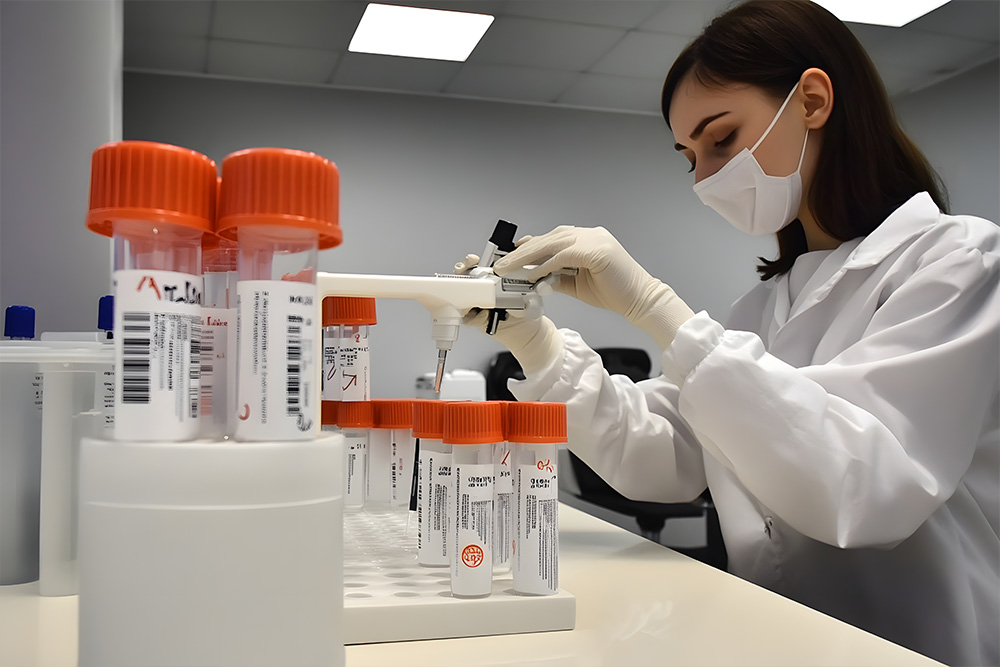
Safety and Handling Considerations
Safety shapes many decisions around sample choice. Natural urine carries biohazard risk. Handling, storage, and disposal require strict controls.
Synthetic urine reduces that burden in training and research settings. Without pathogens, labs can focus on technique and analysis.
This difference supports broader access to education and testing without added risk.
Transparency as a Best Practice
Transparency strengthens credibility.
Clear communication also helps readers interpret results without confusion. Quick Fix comes with detailed instructions on how to use to get your accurate control sample for science projects or a realistic, sterile sample for consensual novelty uses.
Why One Size Does Not Fit All
Synthetic urine vs. natural urine remains a comparison rooted in purpose. Each fluid serves a defined role shaped by science and regulation.
Using the wrong tool creates problems. Using the right one builds trust and clarity. This distinction matters across education, research, healthcare, and compliance.
Bridging Science and Awareness
Public conversations often flatten this topic into extremes. Education restores nuance.
Synthetic urine reflects controlled chemistry. Natural urine reflects living biology. Both carry value when used within appropriate boundaries.
Understanding those boundaries supports safer labs, clearer research, and more confident decision-making.
Benefits of Quick Fix Synthetic Urine
There are many reasons why customers continue to use Quick Fix over and over again. They love our product because it is:
- Unisex, pre-mixed, and rigorously tested for authenticity
- Designed to match real human urine in:
- pH balance
- Specific gravity
- Urea and creatinine levels
- Easy to use
- Reusable (reheat as needed as long as it is in the original container)
- Batch verified – validate your code online
- Shelf-stable for up to 2 years
- Free of toxins
Supporting Accuracy Through Responsible, Documented Use
At Quick Fix®, we develop lab-grade synthetic urine products for legitimate research, calibration, training, and product-testing environments where consistency matters. Our formulations are pre-mixed and quality-checked to reflect key urinary markers such as pH, creatinine, and specific gravity, helping teams work with stable reference material.
Popular options like Quick Fix Plus include a ready-to-use bottle, temperature strip, and heating pad for controlled workflows, along with a Batch Validator to confirm authenticity. We emphasize education, transparency, and proper context so laboratories and professionals can make informed, responsible decisions with confidence. Shop our synthetic urine products now.
Synthetic Urine Bundles For Science and Experimentation Use
On sale products
-
Quick Fix Bundle: Buy 2 Get 1 Free 2 Ounce
Original price was: $120.00.$80.00Current price is: $80.00. -
Quick Fix Plus Bundle: Buy 2 Get 1 Free 3 Ounce
Original price was: $135.00.$90.00Current price is: $90.00. -
Quick Fix Plus Easy Bundle 3 Ounce
Original price was: $110.00.$90.00Current price is: $90.00. -
Quick Fix Plus Synthetic Urine 3 Ounce – Four Pack
Original price was: $180.00.$120.00Current price is: $120.00. -
Quick Fix Plus Value Bundle 6 Pack 3 Ounce
Original price was: $270.00.$160.00Current price is: $160.00.