Regulations & Safety: What You Should Know About Synthetic Urine in Clinical Environments
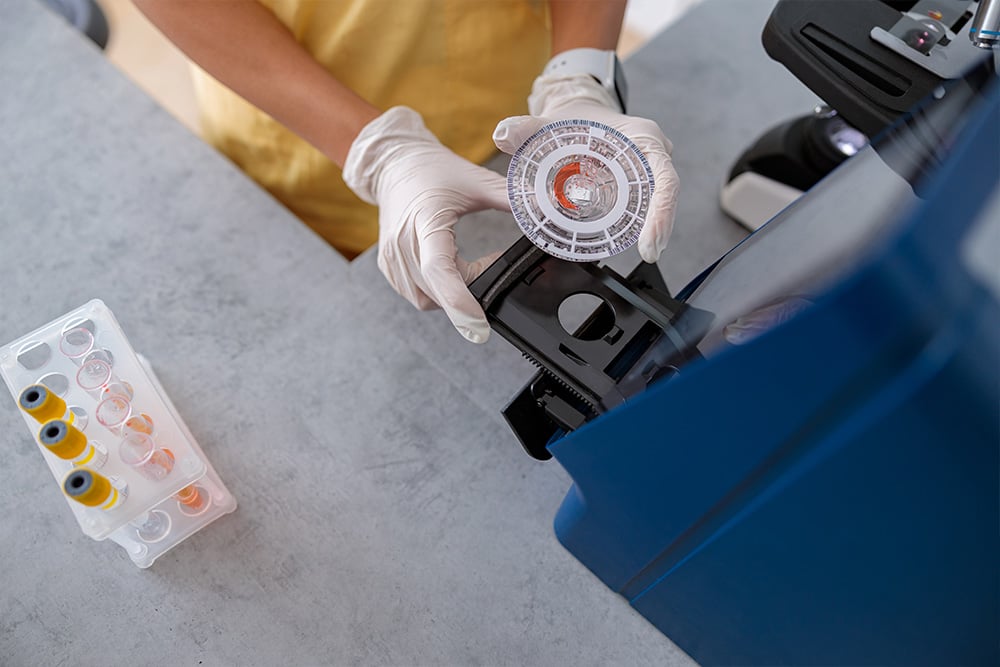
Synthetic urine is permitted in regulated clinical and laboratory settings for calibration, training, and research when used transparently. However, using synthetic urine to replace a biological sample during a drug test could be classified as adulteration or substitution and may carry legal and professional consequences. **Given its wide spectrum of applications; synthetic urine sits at the intersection of science, regulation, and personal awareness.
Labs often depend on stable reference materials, while testing programs depend on trust in results. This balance shapes how synthetic urine may fit into modern systems.
Understanding how regulations, detection practices, and safety concerns have developed helps explain why accuracy matters and why boundaries exist.
At Quick Fix ®, we developed lab-tested synthetic urine products to be used for legitimate purposes – such as novelty use, documented research, and training use. Quick Fix® is not intended for any illegal purpose and/or use.
Why Synthetic Urine Exists in Regulated Spaces
Synthetic urine emerged from a scientific need. Human urine changes daily due to diet, hydration, stress, and health. For laboratories, that variability can disrupt repeatable testing. Synthetic urine allows laboratories to work with a known chemical profile, supporting:
- Equipment calibration
- Training exercises
- Research validation
- Method development
These applications rely on transparency and documentation. Using synthetic urine in this way can provide a controlled workflow, often being able to store, label, and log the synthetic urine like any other laboratory material.
However, when synthetic urine is used incorrectly, problems may arise.
The Regulatory View on Drug Testing
Drug-testing programs operate under strict oversight. Workplace testing, federal testing, and court-ordered testing all follow written protocols.
Key regulatory classifications include:
- Adulteration
- Substitution
- Refusal to test
Using synthetic urine to replace a biological sample during a test may be considered adulteration or substitution in many jurisdictions. Laws across multiple states address this behavior directly, and penalties can range from fines to criminal charges, depending on location and intent.
Federal programs, including transportation testing, may treat substitution as a refusal to test. That classification may carry immediate consequences, such as disqualification from regulated duties. In these environments, rules leave little room for interpretation. **
Specimen Validity Testing and Why It Exists
Specimen validity testing was developed to protect the integrity of results, allowing Labs to look for drugs and examine the provided sample for various markers.
Temperature checks occur within minutes of collection, as human urine exits the body within a narrow temperature range. Samples outside that range may raise red flags.
Chemical markers also tell a story. Creatinine, pH, and specific gravity reflect metabolic processes. Synthetic fluids may struggle to mirror all markers at once . Deviations signal inconsistency with human physiology.
Advanced labs extend this analysis further. Techniques such as gas chromatography and liquid chromatography identify chemical patterns and missing metabolites. This layered approach reflects a shift toward pattern recognition rather than reliance on one indicator.
Safety Concerns Beyond the Test Result
Drug-testing programs often exist in safety-sensitive fields such as transportation and construction. Accurate results help protect workers and the public.
When a testing system loses its reliability, downstream decisions may suffer. Employment placement, treatment planning, and regulatory compliance all depend on this type of data. This reality explains the firm’s stance against substitution.
Clinical settings may raise additional concerns. Medical decisions based on altered samples can lead to misdiagnosis or delayed care. That risk alone drives strict controls around sample authenticity.
Legitimate Laboratory and Training Uses
Within laboratories, synthetic urine can help support clear goals. Legitimate applications may include:
- Calibration
- Hands-on training without risking biohazard exposure
- Research method development
- Product and materials testing
Manufacturers may also use synthetic urine during product testing. Collection devices, absorbent materials, and sanitation systems often undergo evaluation under repeatable conditions.
Understanding the Legal Gray Area**
The phrase “legal gray area” often causes confusion. Synthetic urine itself may remain legal to manufacture or possess in many regions, but the intent and context of the use may define legality.
Using synthetic urine with the purpose of defrauding a drug test is considered illegal in many states.
Awareness of local law helps shape responsible decision-making, ensuring that individuals use synthetic urine responsibly and for legitimate purposes to avoid outcomes that may carry lasting consequences.
** This information is provided for general informational purposes only, and does not constitute legal advice.

Detection Technology Keeps Advancing
Testing technology can evolve just as fast as regulation. Early validity checks initially focused on simple markers, while modern labs have begun examining broader chemical signatures.
Pattern-based analysis looks at relationships between compounds rather than isolated values. Missing metabolites, unusual ratios, or unexpected preservatives draws attention.
This approach reduces reliance on guesswork. It also reflects a wider trend in diagnostics toward holistic analysis. Synthetic urine used outside controlled settings faces increasing scrutiny as a result.
Privacy, Confidence, and Awareness
Conversations around testing often center on anxiety. By using synthetic urine to ensure calibration of the machine – and educating those on the ways in which the machine has been calibrated – such testing stress may be reduced.
Accuracy matters for everyone involved, whether calibrating a machine or testing a product. When testing programs function as designed, results reflect reality.
Why Education Changes the Conversation
Synthetic urine in clinical and manufacturing environments can play very different roles, depending on context.
Educational content that explains regulations, safety concerns, and detection practices often builds informed readers. It also helps demonstrate that synthetic urine can be a technical tool – when used properly.
For those exploring the science behind synthetic urine, research-oriented formulations can illustrate how chemistry can support laboratory accuracy.
Discussions around urine additives can also highlight how individual compounds may influence analytical outcomes in controlled research settings.
Built for Documented Use and Informed Decisions
At Quick Fix®, we produce lab-tested synthetic urine products designed for novelty use and other legitimate purposes, such as research, calibration, training, and product-testing environments. Quick Fix® is not intended to be used for any illegal purpose. Our formulations are pre-mixed, quality-checked, and engineered to reflect key urinary markers such as pH, creatinine, and specific gravity.
Products like Quick Fix Plus include a ready-to-use bottle, temperature strip, and heating pad. We also provide a Batch Validator so customers can verify authenticity before using it. With discreet shipping, clear documentation, and an emphasis on education and responsible context, Quick Fix® supports accuracy, transparency, and confidence. Shop our synthetic urine products now.
** The information on this website is provided for general informational purposes only and does not constitute legal advice
Best-selling products
-

Quick Fix Plus Synthetic Urine 3 Ounce
$44.95 -
Quick Fix Plus Bundle: Buy 2 Get 1 Free 3 Ounce
Original price was: $135.00.$90.00Current price is: $90.00. -
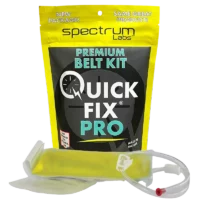
Quick Fix Pro Belt Kit 4 Ounce
$59.95 -
Quick Fix Synthetic Urine 2 Ounce
$39.95 -
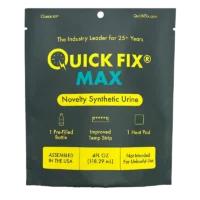
Quick Fix Max Synthetic Urine 4 Ounce
$49.95